

Have you ever had a web page made? Then chances are you know the terms UX and UI. Web designers use these terms a lot, and they play an important role in designing and developing websites. In this blog, we explain the difference between the two.
What a UX designer does
UX stands for User Experience. With user experience, the goal is to create a design that results in an optimal experience for the user. The faster a platform manages to meet the visitor's needs, the better the UX design is.
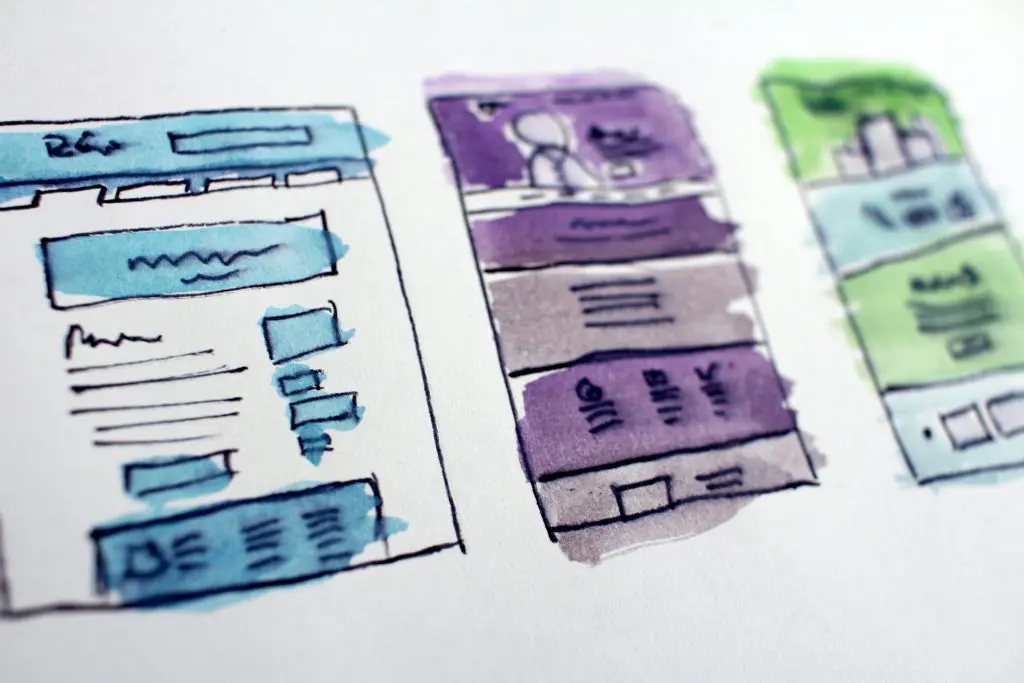
This type of design can take many forms. From creating wireframes or animations to designing A/B tests for buttons that lead to higher conversion, these are all forms of UX design. Since user-friendliness is becoming more and more important to Google too, it's crucial to set this up as efficiently as possible.
What UI design means
UI stands for User Interface. That could be the interface of a website, but of course also of apps. For a UI designer, it's not just the design that matters, but above all that every element in the interface works well.
The ultimate goal of User Interface Design is a better, friendlier user experience. But where UX focuses on the overall user experience, UI focuses specifically on the interface. In that sense, UI designers are true specialists within the field of design.
But there are more differences between UX and UI. UI is all about optimising the interface and the specific elements within it, so UI designers are often specialised in graphic design. For example, they can easily tweak small details that turn out to make a big difference.
A UX designer's strengths lie more in seeing the big picture. The focus is less on graphic design and more on the technical and analytical side.
We hope this blog has taught you more about the two different fields.
Want to know more?
